Posts

Showing posts with the label Garo

Asian Elephants: Some memories, some questions.
Image
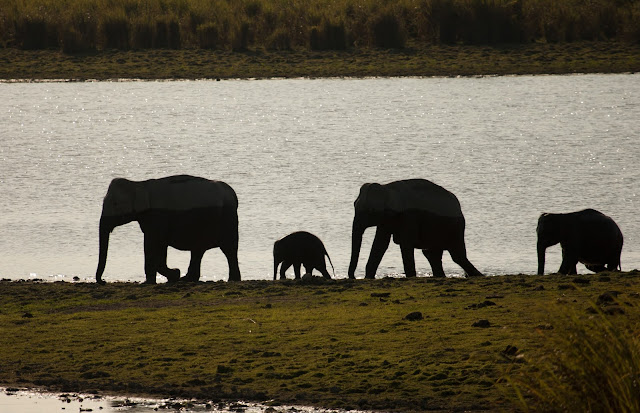
This piece finds place in the Deccan Herald on 16 th February 2016. Link to the edited version on Deccan Herald site here . Many thanks to Deccan Herald, Anitha and Dharmendra. Memories of days in Garo Hills ( Meghalaya ) came forth; learning of elephants, coming across elephant dung at places one never thought they could go to, of talking with people who lived amongst elephants and more. Meghalya is one of the 16 elephant bearing states and the Garo Hills population stands at approximately 1,700.  India today has approximately 30,000 elephants; and as we lose wildlife habitats the species move to newer lands. Elephant human conflict today is increasing both in intensity and spread. Every once in a few months news of elephants run over by a train or electrocuted remind us of this! I was at a 2 day meet on Asian Elephants, focusing on Assam and neighbouring states, to discuss the concerns and chalk out a way ahead. Deliberations helped raised multiple questions. ...

Meghalaya Birds

Image
A Pocket Guide to the Birds of Meghalaya Anwaruddin Choudhury Gibbon Pocket Guides The Rhino Foundation for Nature in North East India 2014 Book Each of the species enlisted is accompanied by an alphabet indicating its status (eg: u = uncommon). Sketches, local names and images are present for some species. Select species also bear notes - like the Tawny-breasted Wren Babbler and the Grey Sibia. There are few lines on each of the bird families. The book also brings in old i.e. British era data which increases the richness; specimens collected from across Meghalaya. Basic information is present on Protected Areas, Important Bird Areas and even places one could stay at. Bibliography could be of interest to people interested in the state. Few people know the region like the author and with his vast experience he is able to bring our pointers like – Some Key Birding Sights. As one reads one gets an idea of his abnormally high level of familiarity with the reg...

Local Names : Meghalaya

Image
Garo and Attong names   Asian Elephant: Mongma    Asiatic Black Bear: Mapil wak    Binturong: Matchibil    Black-naped Hare: Sapau, Susreng  Capped Langur: Ranggol  Chinese Pangolin: Kawate, Gotai  Clouded Leopard: Matcha chidual, Matcha do.tok    Common Leopard: Matcha peng, Matcha chirua    Common Palm Civet: Jaha matchru, Baira asru, Menggo apru, Jonga  Crab-eating Mongoose: Ang.ke rijong The People’s Linguistic Survey of India (PLSI) envisions the creation of a Linguistic Survey rooted in people’s perception of language.    PLSI as a nation wide survey is being carried out by members of respective communities, writers, cultural activists, scholars of intangible heritage, practitioners of oral arts and traditions, responsible citizens interested in working out alternate ways of development and scholars who believe in maintaining organic links between scholarship and the social conte...

Garo Hills : Gone With the Coal?

Image
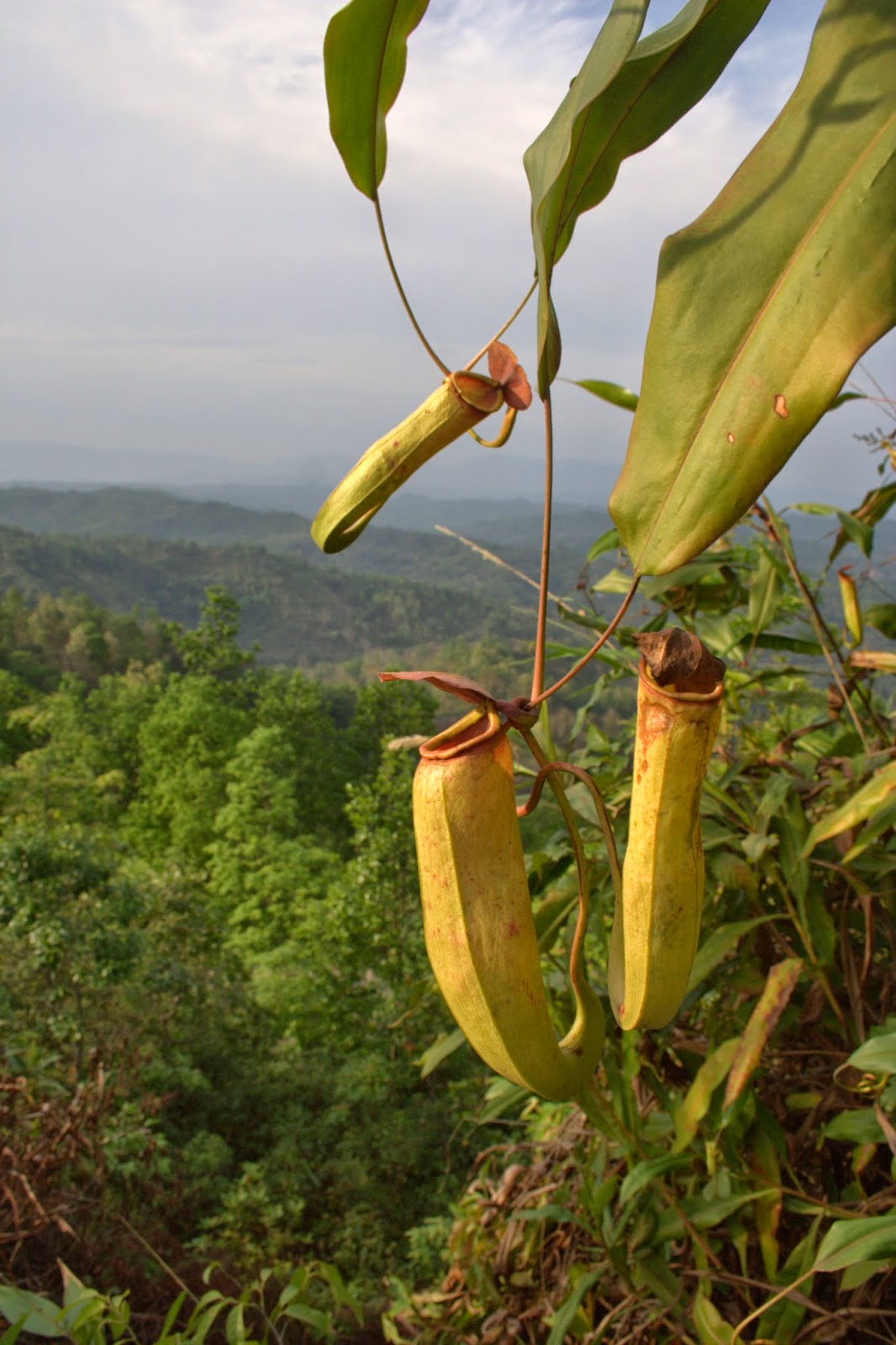
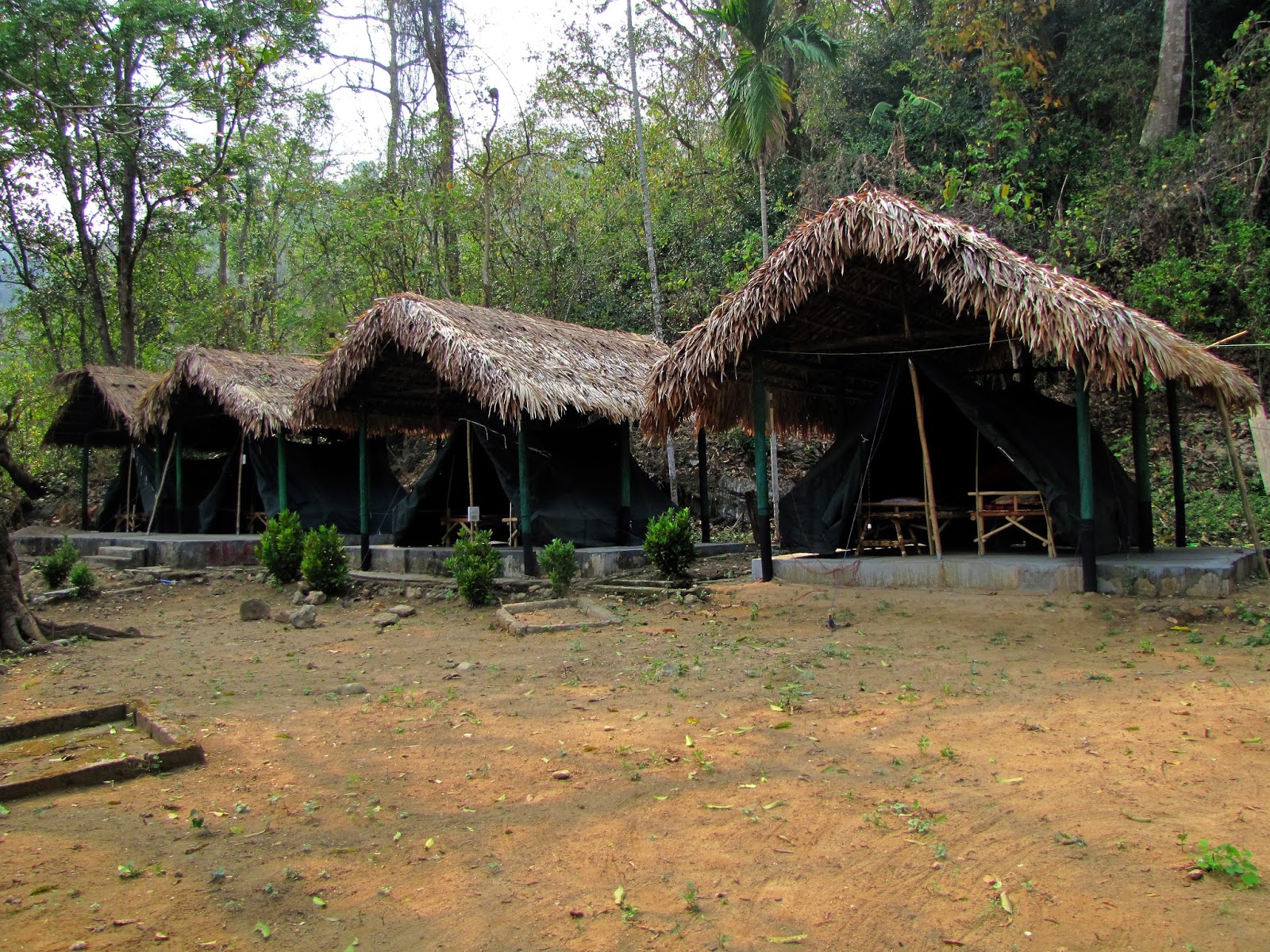
This article finds space in July - September 2014 issue of Hornbill  I visited the Siju Eco Camp, located on the banks of the Simsang river across the Siju Wildlife Sanctuary, Meghalaya, during first week of February 2013, with colleagues. A part of Samrakshan’s eco-tourism initiative, our objectives were to organize an in-house workshop for team members and allot time to look for birds. Samrakshan has taken up interesting and unique initiatives to conserve the habitat. These range from participatory elephant monitoring program to one on Community Conserved Areas. Samrakshan, a NGO registered as a Charitable Trust, works towards conserving biodiversity values in an equitable and just manner. Its Baghmara field-base was initiated during 2004. Pitcher Plant (Memang Koksi), South Garo Hills : Pankaj Sekhsaria Simsang from the hanging bridge at Siju : Pankaj Sekhsaria First the birds... A Blue Whistling-Thrush Myophonus caeruleus had made the Siju Eco Camp its ...

Keeping the questions alive

Image
Keeping the questions alive This piece appears in the August 2014 issue of Teacher Plus. Thanks are due to Shalini, Teacher Plus, Rishi Valley School, its students and teachers - especially Radha, Santharam, Kaustubh and Sonali.  A recent trip to Rishi Valley School ( Andhra Pradesh ) presented an opportunity to interact with students in different classes on divergent topics. During the trip I enjoyed being with the students and partially succeeded in soaking in their energies, enthusiasm and knowledge. But, it was their eagerness to know more that left me stunned and pleased at the same time and in no small measure. As Eugene Ionesco put it: " It is not the answer that enlightens, but the question. " My interactions with the sociology and ecology students I shared my experiences at Baghmara ( South Garo Hills, Meghalaya ) and Saiha ( Mizoram ) with the two sets of students. For my interactions with the sociology class I decided to focus on my experiences in...

The Nawabs of Garo Hills

Image
Share a piece by Yaranajit and me that finds place in February 2014 issue of Sanctuary Asia (Vol. XXXIV No. 1) A group of pale, yellowish white-winged butterflies fluttered around the rotting fruit. We moved forward slowly and then stood still to observe them. Yes, the prominent yellowish-white forewings had a black margin with two chains of white spots and two isolated white spots. The whitish-yellow hind wings had two tails with a ridged margin. A couple of years ago, we would not have been able to identify these butterflies but we had no hesitation now – Great nawabs we wrote down! The nawab butterflies, along with the rajahs, we had read up, belong to the ‘brush-footed butterflies’ family, also referred to as Charaxinae group. Nawab butterflies occur in Northeast India and further east up to Thailand. Many have gaudy colours and brilliant flashes thanks to iridescent scales covering the wings. Beauty notwithstanding, some are known to favour decaying crab-meat or rotting ...